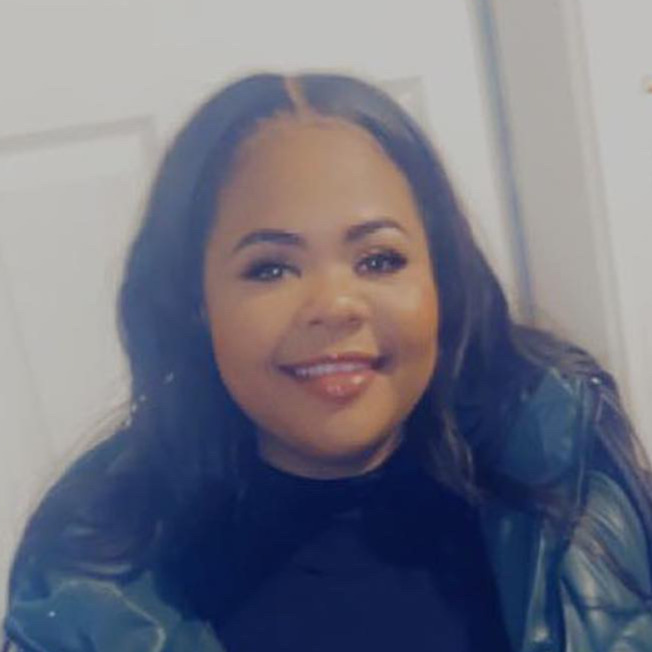
The following interview between Margie Grigsby [MG], Mom, Preeclampsia Survivor, and CMQCC Low-Dose Aspirin Patient Advisory Committee Member, and CMQCC has been edited for length and clarity.
CMQCC: How did you hear about low-dose aspirin?
MG: I was told to take low-dose aspirin (LDA) during two different pregnancies. For one of my pregnancies, I did not take it seriously because it wasn't explained to me how serious it was to take it. It was just like, “Oh, you're a little overweight, take LDA to keep your blood pressure down.”
And I did have blood pressure complications during that pregnancy because, like I said, I did not take LDA every day.
During my second pregnancy I was given a little more information, and so I did take it more seriously. But still, it felt like they made it out to be an overweight thing or a Black woman thing. But it's important for every woman to know about LDA to prevent preeclampsia, high blood pressure, and all that.
CMQCC: Knowing what you know now, how do you think information about preeclampsia and LDA should be presented to people by their care team?
MG: Make it more than just a casual conversation. Like, “Hey, you might be overweight, so you might need to take LDA,” because I didn't know what I was taking it for. Like I said, there’s not enough information given out about it at the doctor's office. LDA is important and people need to know. Why aren’t the health care people making it more important?
CMQCC: How do you inform others about LDA?
MG: If you are someone considering pregnancy, or if you or someone you know is pregnant, I say, “Hey, did your doctor talk to you about LDA?” It's very important to talk to your doctor about that. I just push for them to have the conversation.
CMQCC: What does the Low-Dose Aspirin Patient Advisory Committee mean to you?
MG: I was a patient that took LDA during pregnancy, and now I'm learning the why, you know, the importance of it.
Being part of these monthly meetings, I've learned a lot about the importance of taking LDA and the things that it can prevent, like preeclampsia.
You learn a lot from listening to other women's stories. And some of our stories are very similar.